Knowledge Hub
-
07/15/2022
Supporting parenting among Syrian refugees in Lebanon: a randomized controlled trial of the caregiver support intervention
This study evaluated the effectiveness of the Caregiver Support Intervention (CSI), which emphasizes caregiver wellbeing together with training in positive parenting. Here, a two-arm randomized controlled trial was conducted of the CSI with Syrian refugees in Lebanon, with an intent-to-treat design, from September 2019–December 2020. Overall, it found CSI reduced harsh parenting and caregiver distress, and demonstrated the value of addressing caregiver wellbeing as a pathway to strengthening parenting in adversity. These effects were achieved despite a pandemic-related lockdown that impacted implementation, a severe economic crisis, and widespread social unrest.
Read more
-
10/11/2022
Worlds of Pain: A process evaluation of the Caregiver Support Intervention with Syrian refugees in Lebanon
This paper reports on a process evaluation conducted as part of a randomized controlled trial of the Caregiver Support Intervention (CSI), a nine-session preventive group psychosocial intervention, with Syrian refugees in Lebanon. It analyzes the focus group data to explore the mechanism of impact of the CSI on caregiver wellbeing and parenting, as well as examining the impact of multiple adversities on the results of the trial, which was conducted in a context of widespread social unrest, a severe economic crisis, and the COVID-19 pandemic. Overall, the study underscores the limits of a stand-alone psychosocial intervention in a setting of extreme adversity, where unmet basic needs in nearly every domain of life continue to generate high levels of stress.
Read more
-
03/09/2023
Competency Assessment of Non-Specialists Delivering a Psychological Intervention in Lebanon: A Process Evaluation
There is an increasing need to improve the competency and quality of non-specialists delivering psychological interventions. As part of the Ensuring Quality in Psychological Support (EQUIP) initiative, this study evaluates the process of roleplay-based competency assessments using three tools to assess the competencies of facilitators delivering a psychological intervention for children in Lebanon. With a group of five competency raters, five facilitators and four actors, this study uses a mixed methods approach, comprising competency assessment data, qualitative interviews and focus group discussions. Findings of the study showed inter-rater agreement was generally acceptable after additional training of raters. Conclusions indicated that using roleplay-based competency assessments and preparing for competency-based training is feasible and useful to ensure quality control in mental health and psychosocial support (MHPSS) service provision.
Read more
-
09/08/2023
Evaluation of the Early Adolescent Skills for Emotions (EASE) intervention in Lebanon: A randomized controlled trial
This study evaluates the effectiveness of a new group-based intervention developed by the World Health Organization (Early Adolescent Skills for Emotions; EASE), implemented by non-specialists, to reduce young adolescents' psychological distress among mostly Syrian refugees in Lebanon. Adolescents aged 10 to 14 years who screened positive for psychological distress using the Pediatric Symptom Checklist (PSC) were randomly allocated to EASE or enhanced treatment as usual (ETAU) (1:1.6). Due to the COVID-19 pandemic and other adversities in Lebanon at the time of this research, the study was prematurely terminated, resulting in an under-powered trial sample (n = 198 enrolled compared to n = 445 targeted). Thus, no conclusions can be drawn about the comparative effectiveness of the intervention given that the sample was underpowered as a result of early termination. Both EASE and single session psycho-education home visits resulted in meaningful improvements in reducing psychological distress.
Read more
-
12/12/2023
Implementing a Non-Specialist Delivered Psychological Intervention for Young Adolescents in a Protracted Refugee Setting: a Qualitative Process Evaluation in Lebanon
This study was conducted as part of an RCT of the Early Adolescents Skills for Emotions (EASE) psychological intervention for young adolescents with elevated psychological distress (predominantly with a Syrian refugee background) in Lebanon. The aims were to conduct a qualitative process evaluation to understand stakeholder experiences and perceived impact of the intervention and identify barriers and facilitators for implementation, and secondly to explore considerations for scaling up. Eleven key informant interviews and seven focus groups were conducted with 39 respondents including adolescent and caregiver participants, trainers, providers, outreach workers, and local stakeholders. Data was analyzed using inductive and deductive thematic analysis. Respondents perceived the intervention to be highly needed and reported improvements in adolescent mental health and wellbeing.
Read more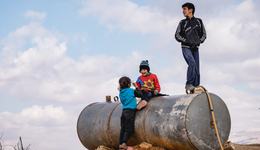
-
06/28/2024
Barriers, facilitators and proposed solutions to equitable mental health financing and service delivery for the Lebanese populations and displaced Syrians in Lebanon: Findings from a qualitative study
Forcibly displaced populations experience an increased burden of mental illness. Scaling up mental health (MH) services places new resource demands on health systems in crises-affected settings and raises questions about how to provide equitable MH services for refugee and host populations. This study investigates barriers, facilitators, and proposed solutions to MH financing and access for Lebanese populations and Syrian refugees in Lebanon, a protracted crisis setting.
Read more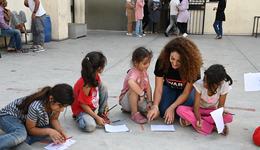
-
03/14/2024
Power dynamics and participation within humanitarian coordination groups: A case study of the MHPSS Taskforce in Lebanon
The humanitarian sector has often been criticised for its hierarchical power dynamics. Such dynamics often centre the priorities of ‘international’ actors, thereby marginalising the knowledge and expertise of those closest to the setting and play out in various fora, including coordination mechanisms. While guidance emphasises the importance of supporting local systems and government structures rather than creating parallel humanitarian structures, this approach is not consistently applied, creating challenges. This paper uses a case study approach to explore how power relations influence the practice of the Mental Health and Psychosocial Support Taskforce in Lebanon, a nationally-led coordination mechanism chaired by the Ministry of Public Health with UN agencies as co-chairs.
Read more